Avoid the common mistakes in the PSLE Primary 6 synthesis exam questions
The PSLE Primary 6 synthesis exam is a key component of the English paper, requiring students to apply grammar rules accurately and consistently. While understanding synthesis rules is essential, recognising the common mistakes students make in the PSLE Primary 6 synthesis exam questions is equally important.
With targeted awareness and practice, students can avoid repeating these errors and significantly improve their accuracy.
For students preparing during the school break, joining a structured PSLE English holiday programme can help reinforce these techniques through focused practice and guided correction.
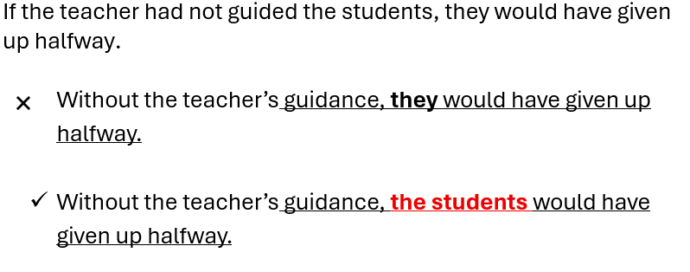
1) Forgetting to write the name of the person or the subject
This is one of the most common mistakes in synthesis questions. When students combine information to form a sentence, they often forget to include the subject or name.
This usually happens when students copy the sentence structure from the question without checking whether the final sentence is complete.
With targeted drills and teacher feedback, students can break this habit. A focused primary English holiday workshop provides structured practice to help students internalise proper sentence construction and avoid such careless mistakes.
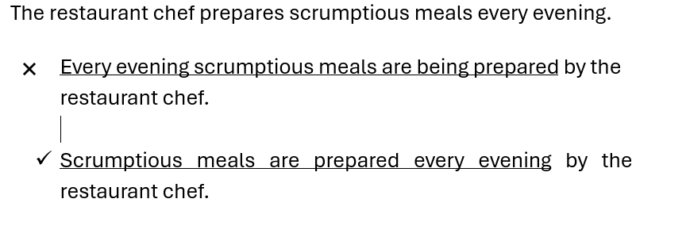
2) Writing the answer that “sounds correct”
Many students rely on what “sounds correct”, especially when handling transformations such as active to passive voice. This often leads to incorrect answers because students are guessing instead of applying rules.
To build accuracy, students need clear strategies and repeated exposure. Enrolling in a PSLE preparation holiday class can help students strengthen their understanding of synthesis rules and reduce guesswork.
3) Writing the answer using the wrong tense
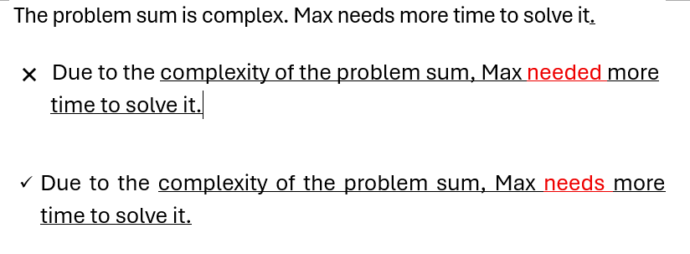
Another frequent mistake is using the wrong tense. Unless there is a required transformation (such as direct to reported speech or active to passive voice), the tense should remain the same as in the original sentence.
A common mistake is that students either do not pay enough attention to the tense or they are unsure of the synthesis rules and mistakenly think they should change the tense of the answer.
Final Tip: How to Improve in the PSLE Primary 6 Synthesis Exam
The PSLE Primary 6 synthesis exam is highly rule-based. The more familiar students are with common mistakes, the better they can check their answers and improve accuracy.
A short, intensive revision period—such as during the holidays—can make a significant difference in helping students master synthesis techniques and perform confidently in the exam.


