At Primary 1 level, the aim is for children to write simple sentences in a grammatically correct manner. By Primary 2, young writers learn to use the SPACE strategy to
In this guide to Primary 3 composition feelings, thoughts and speech, we will look at how these details can deepen the main event. In the previous article, we explored how
A strong Primary 3 composition main event turns a simple picture sequence into a complete and engaging story. The main event is the section in which the central problem develops,
Help your child understand common Primary 1 prepositions through eight simple sentence examples, clear explanations and easy practice ideas for home.
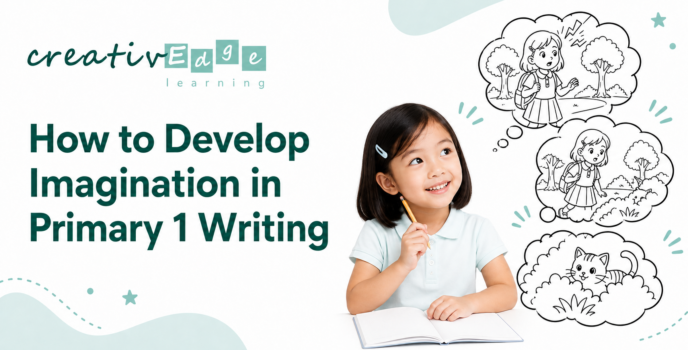
Help young writers connect picture clues, imagine missing actions and write fuller stories through a clear Primary 1 example.
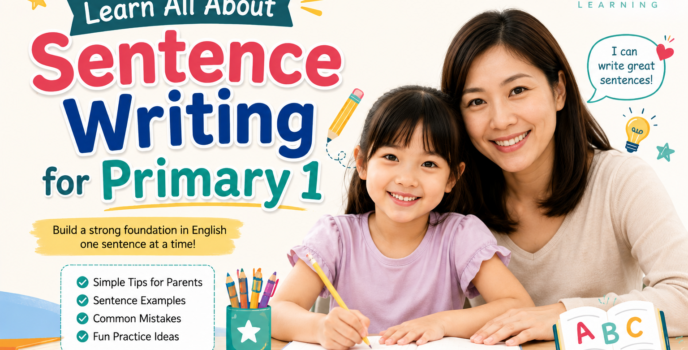
Learn All About Sentence Writing for Primary 1 Helping your child master sentence writing for Primary 1 is one of the best ways to build a strong foundation in English.
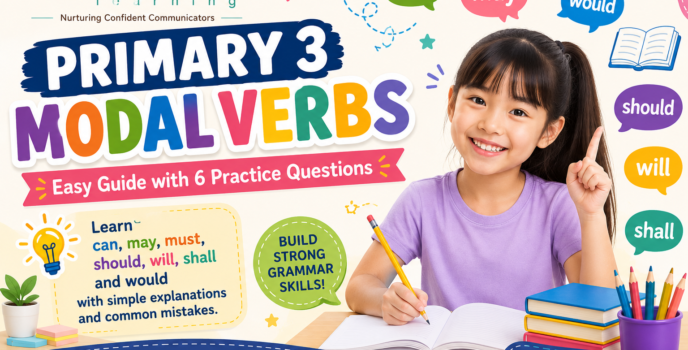
Modal verbs are one of the first grammar topics pupils encounter in Primary 3. Although words like can, may, must and should are commonly used in everyday conversations, many children
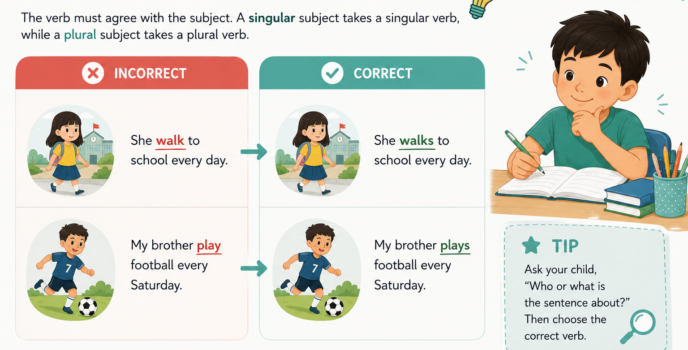
Primary 3 grammar in Singapore becomes more challenging as children move beyond the lower primary years. Grammar is no longer tested only in standalone exercises—it plays an important role in
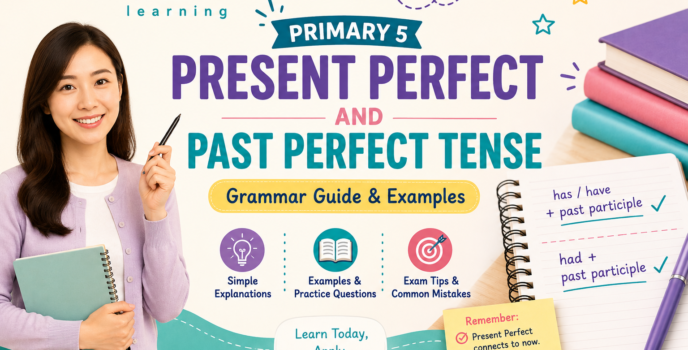
Understanding the Primary 5 Present Perfect and Past Perfect Tense is essential for success in English grammar examinations. Many Primary 5 pupils find these tenses confusing because both refer to
Both either and neither are important grammar structures introduced in Primary 4 English. Students often encounter them in grammar exercises, editing tasks, and examination questions. Understanding how to use either…or