Imagination in Primary 1 writing helps children turn a sequence of pictures into a connected story. Rather than describing only what they can see, pupils learn to imagine the actions and decisions that link one picture to the next.
Many students lack description when they write a story. This is because they do not know the key to writing.
The key element to writing is imagination. By learning how to imagine, children learn how to use their imagination to write descriptively.
After learning how to plan the story using SPACE, Primary 1 students should also learn how to “write more” and describe the story. At the Primary 1 level, most students think writing a story is merely about describing what they see in the four pictures.
The key is to teach them to imagine the details that are not shown in the four pictures. Those are the important details that make up the complete story.
Why Imagination Matters in Primary 1 Writing
A picture shows only selected moments. The writer must supply the sensible events between them so the story does not feel jumpy or incomplete. At this level, imagination should stay logical: pupils can use picture clues to decide what the character noticed, heard and naturally did next.
To learn this skill at Primary 1, students have to first understand how to “see” what happened between the pictures.
Let’s use the following picture topic as an example.
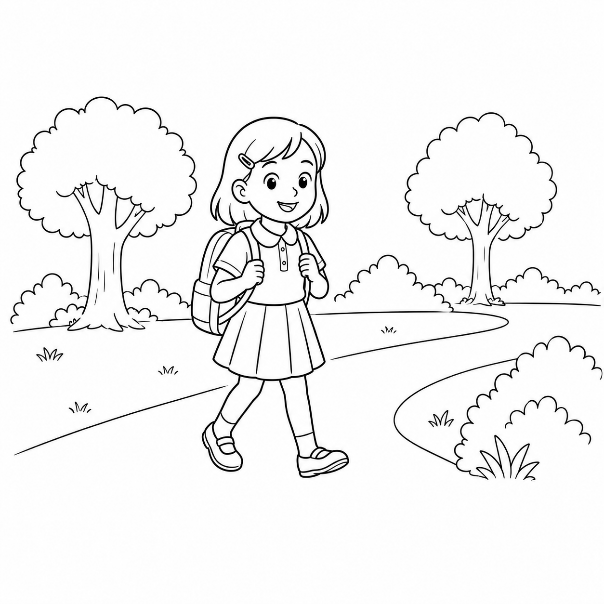
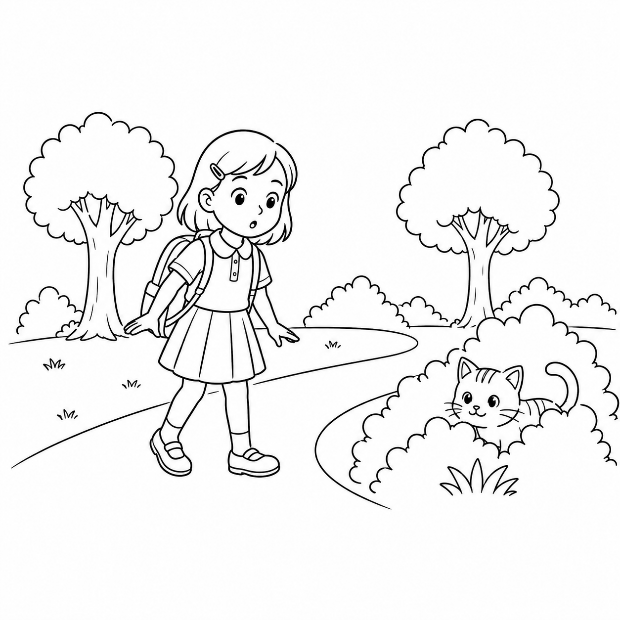
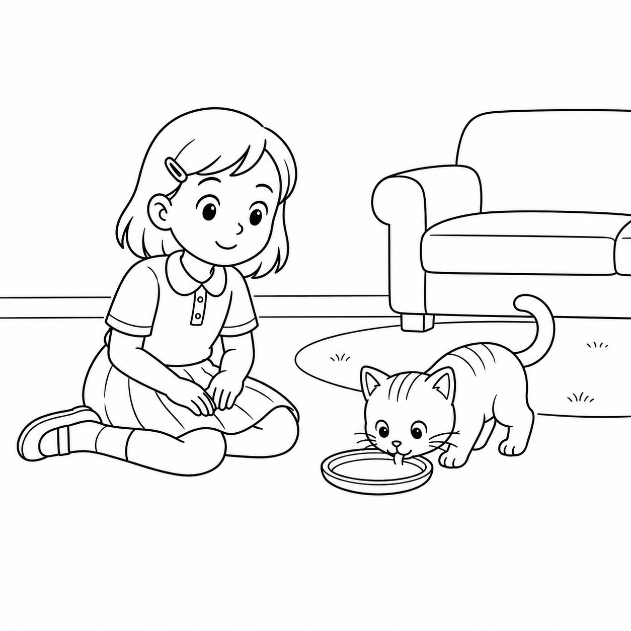
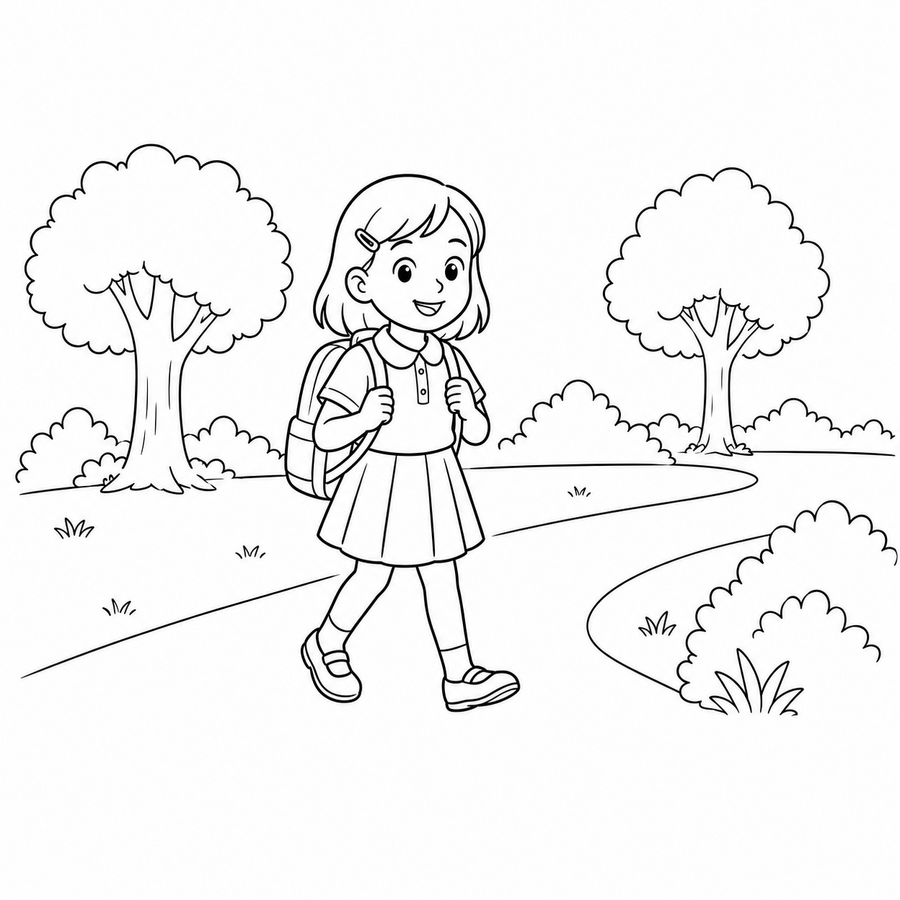
Marie was walking in the park. She found a cat in the bushes.
To write descriptively, students have to describe what happened between the pictures.
How to Write Between the Pictures
Let’s imagine what happened between Picture 1 and Picture 2.
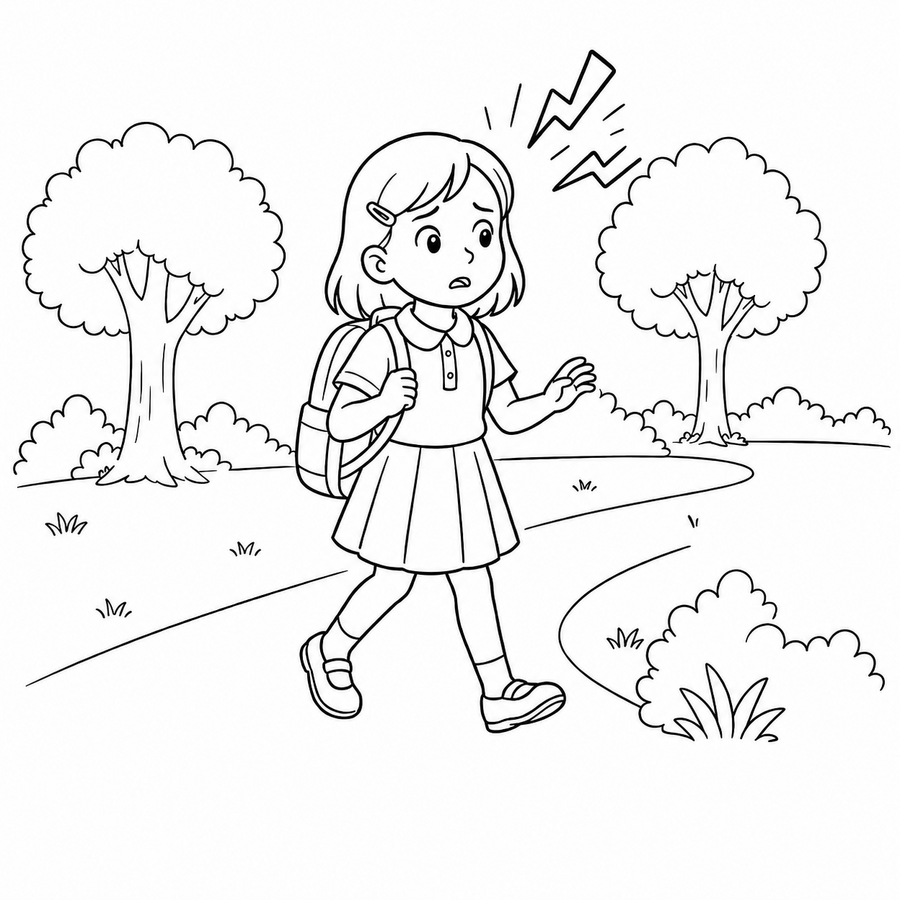
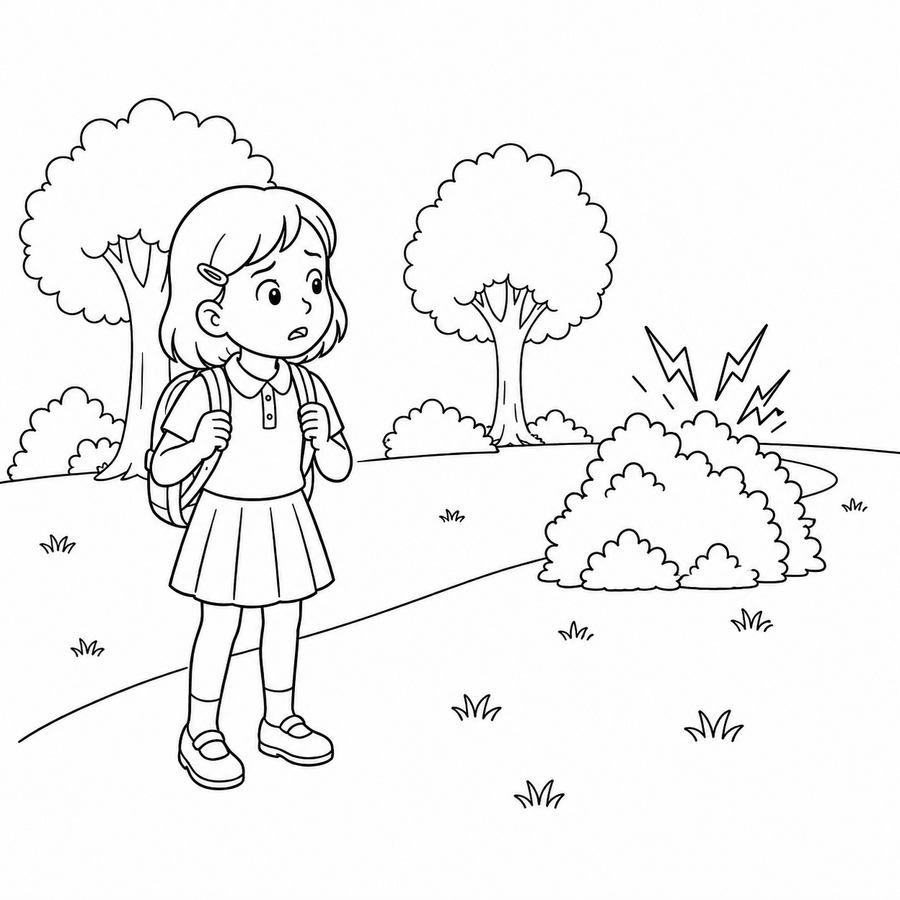
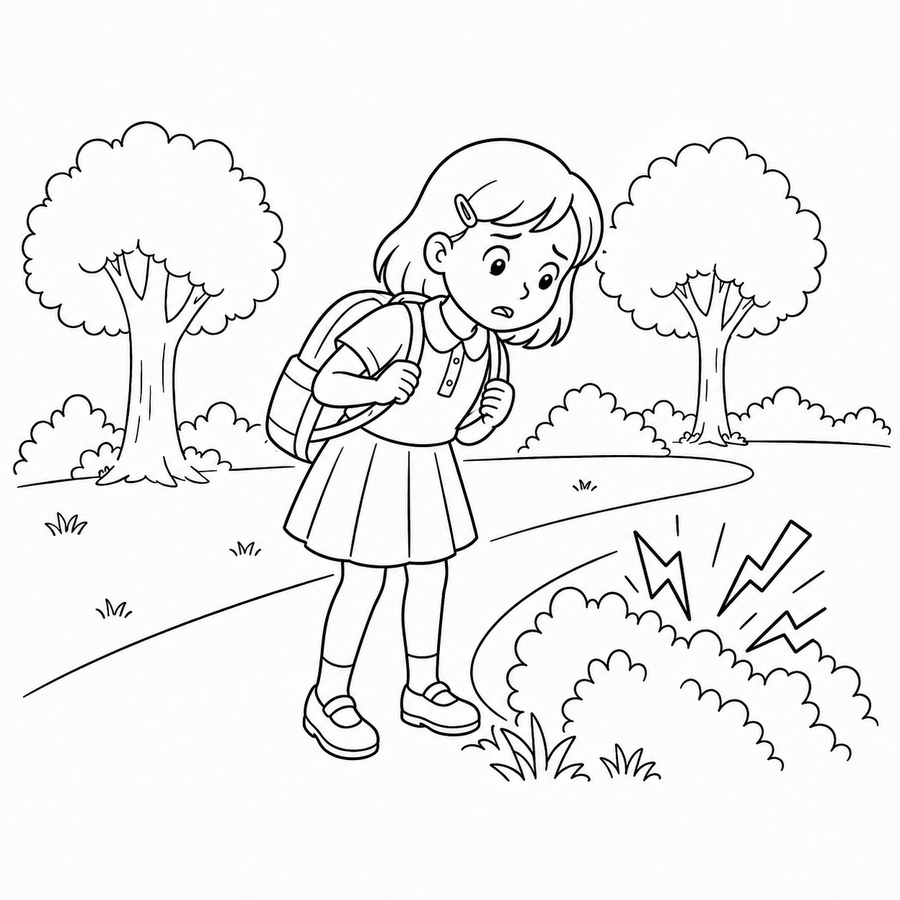
Marie was walking in the park. She heard some strange noises. The sounds were coming from the bushes. She walked over to find out what was happening. She found a cat in the bushes.
How to Teach Primary 1 students to Write Between the Pictures
1) Act It Out
Primary 1 students can more easily understand how to imagine the actions when they see the scene acted out.
This is what we do when writing a story in our Primary 1 English and Writing lessons. It is always amusing, catches their attention and starts them off on visualising their description.
2) Use Teaching Prompts
Primary 1 students will not figure out all the details on their own. They respond well to teaching prompts to steer them in the right direction and create the actions in a step-by-step manner.
- What caught her attention? Was it something that she heard or saw? She heard some strange noises.
- Where were the sounds coming from? The sounds were coming from the bushes.
- What did she do next? Why did she do so? She walked over to find out what was happening.
English Support for Primary 1 and Primary 2
Children can strengthen grammar, vocabulary and early composition through our Primary 1 English tuition programme. As they progress, our Primary 2 English tuition programme develops more structured writing.
Besides our weekly classes, focused school-break practice is also available through our Primary 1 and Primary 2 holiday writing programmes.
Building a Confident Young Writer
With regular practice, imagination in Primary 1 writing helps children connect events, add relevant detail and write with greater independence. The goal is not to create a complicated plot, but to notice what the pictures suggest and express those ideas in clear, complete sentences.


